STORYTELLING AND SCRIPTS · THE ART OF KAMA MUTA, PART 3
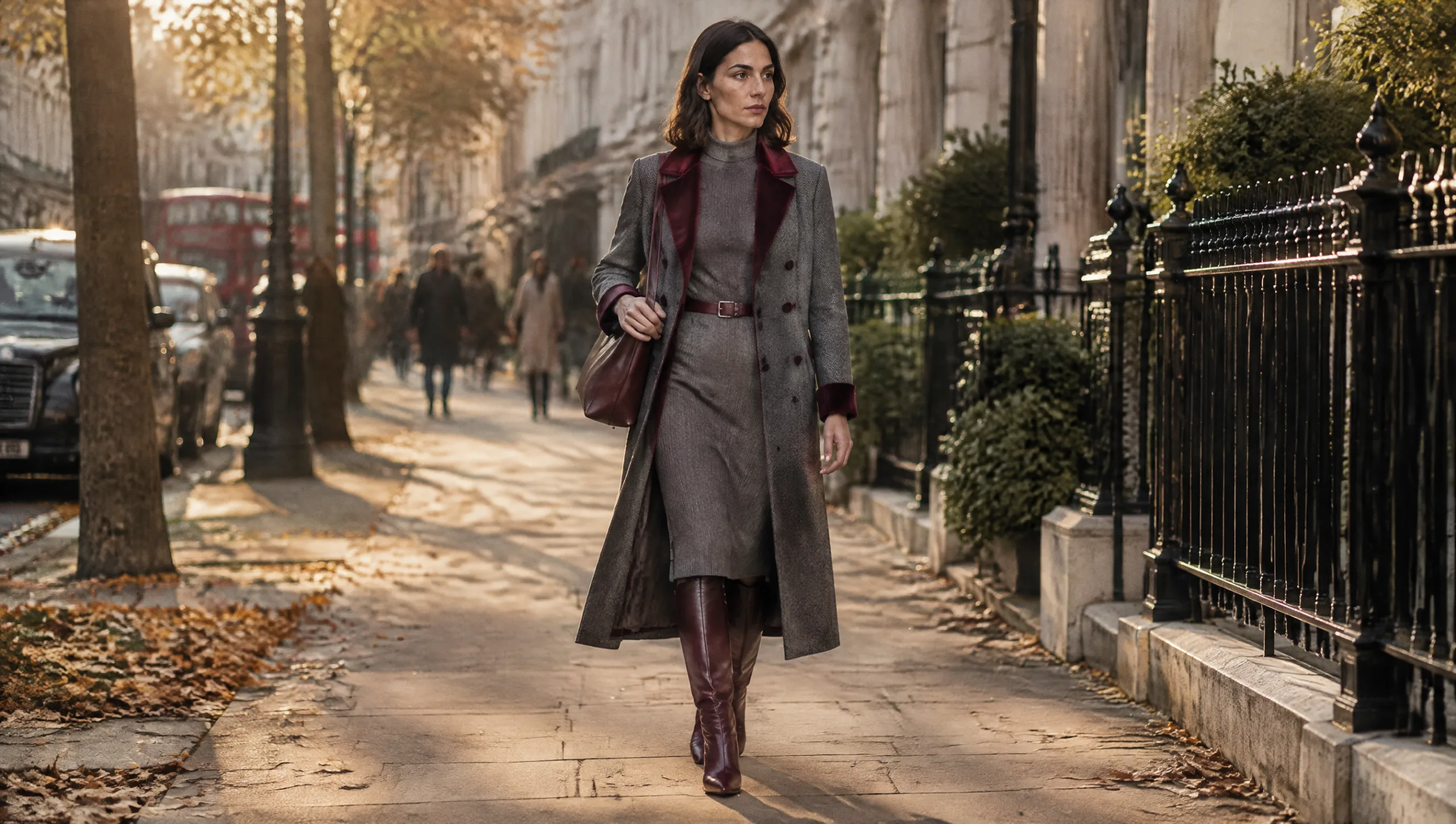
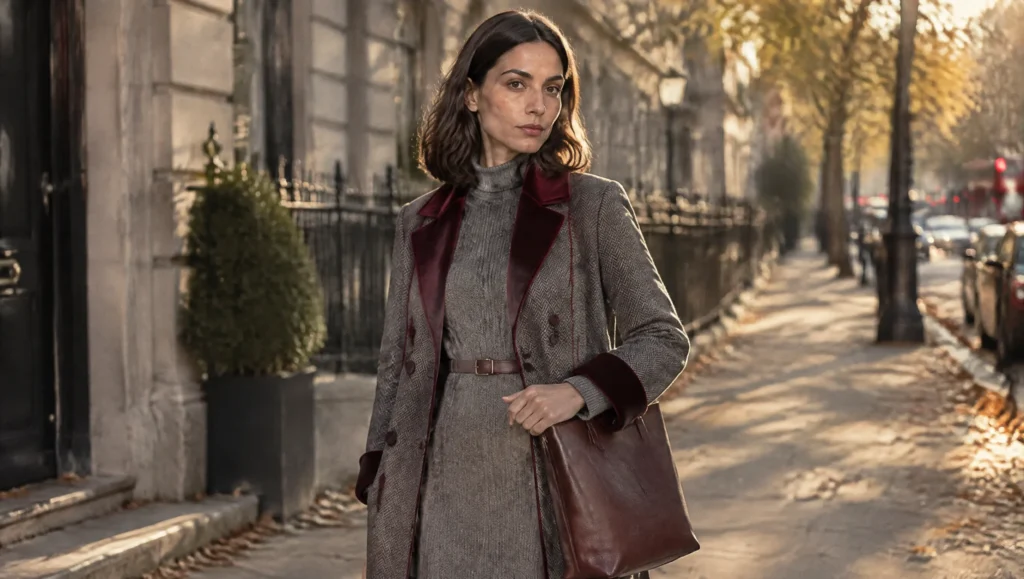
Two films arrive in the same feed on the same evening. The first is extraordinary to look at. A woman in a long grey coat walks through a city that glows like a painting. The light is perfect, the camera moves like silk, and the music swells. The second is a slightly shaky phone video. An old man opens a parcel at a kitchen table and finds inside it a photograph he lost forty years ago. He puts his hand over his mouth. The first film gets a like. The second film gets sent to four people with the words “watch this”. Nobody remembers the first one by morning. This article is about why, and about the order of work that makes the difference.
At a glance
- Most AI films start from a tool, a model or a shot, and build outwards. They look wonderful and give the audience nothing to carry home.
- The order that works never changes. The real event, the relationship, the story, the script, and only then the character, the shots and the voice.
- A beautiful story has four benefits you cannot add later. People remember it, share it, trust its maker, and do something afterwards.
- A fifty-second film needs this more than a feature, because it has no time to recover from a hollow centre.
- The first step is always the same: write what really happened, in plain language, before any prompt.
You will need: the moment you found in part 1, and an honest look at how you usually start a film.
How Most AI Films Start
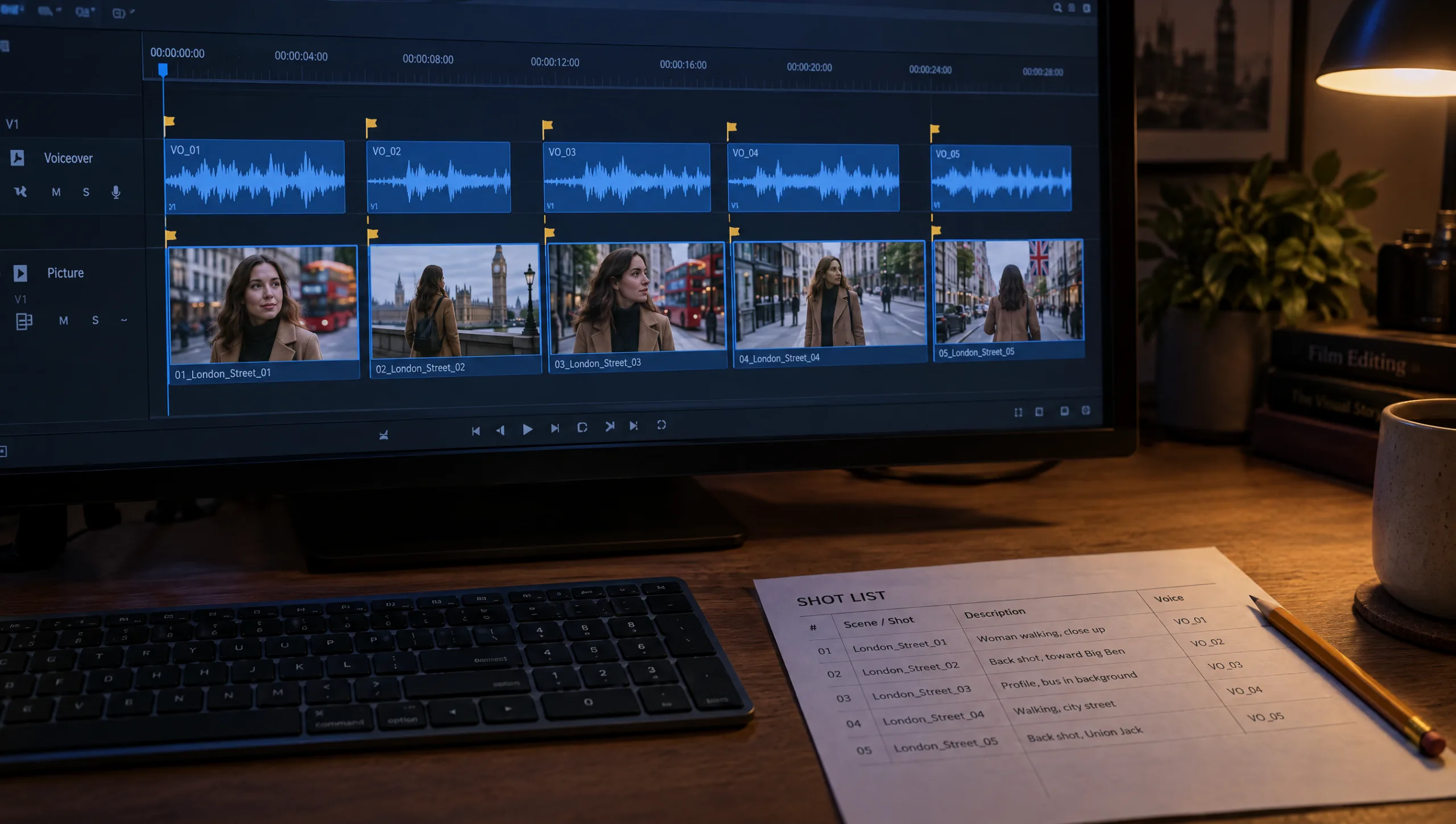
A new model drops. Someone opens it, generates a stunning character, and falls in love with the image. They build a scene around her, then another, then a mood, then find a voice to go over the top. Somewhere near the end they ask what the film is about. The honest answer is usually “the character” or “the look”. The audience can tell, because there was never a relationship to care about, never a distance, never a turn.
This is not a failure of talent. It is a failure of order. The tools are so good now that starting from them feels like progress. You have something beautiful within minutes. However, beauty is not what makes someone send a film to their sister. The feeling explained in what kama muta means is what does that, and it cannot be added in the edit.
The Order That Works
The order is fixed, and every step depends on the one before it.
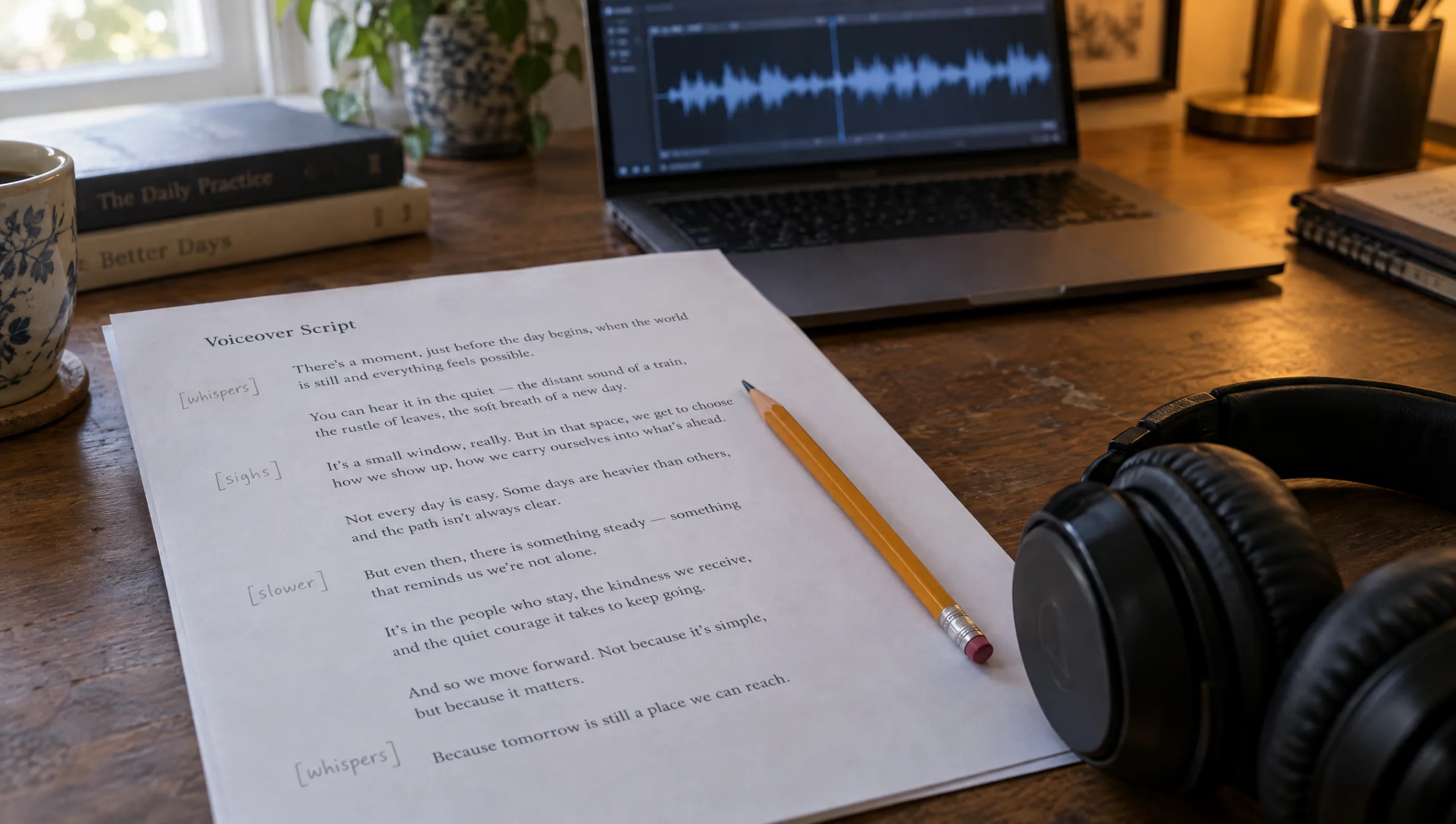
First, the real event. Something that happened to you or in front of you, written down in plain language, with no craft at all. Next, the relationship at the heart of it, in one sentence: who belongs together, and what suddenly changed between them. After that, the story, which is the four moves from the art of emotional storytelling applied to that relationship. Then the script, written from the story. And only then the character, the shots, the voice and the tools.
Each later step is a servant of the earlier one. The character sheet exists to serve the script. Likewise, the shot list serves the story, and the tool serves all of them. Reverse any pair and the film starts to hollow out. This is why the pillar guide, The Art of Kama Muta, is laid out in exactly this sequence.

The Four Benefits You Cannot Buy Later
A beautiful story gives a film four things, and none of them can be added once the film is built.
It Is Remembered
People forget images. They remember what happened to someone they cared about. A week after watching, nobody can describe the lighting in the glowing city film. Everybody can describe the old man and the photograph. Memory attaches to relationship and change, not to surface.
It Is Shared
As part 1 explained, the feeling of being moved makes people want to tell someone. A film built from one real moment of connection carries that impulse inside it. The viewer finishes it and already knows who they want to send it to. No call to action does that.
It Earns Trust
A story that is specific and true makes the audience trust the person who told it. This matters enormously if you make films as a creator or a brand, because trust is the thing you are actually building. A beautiful empty film earns admiration, which fades. A true small film earns trust, which compounds.
It Makes the Viewer Do Something
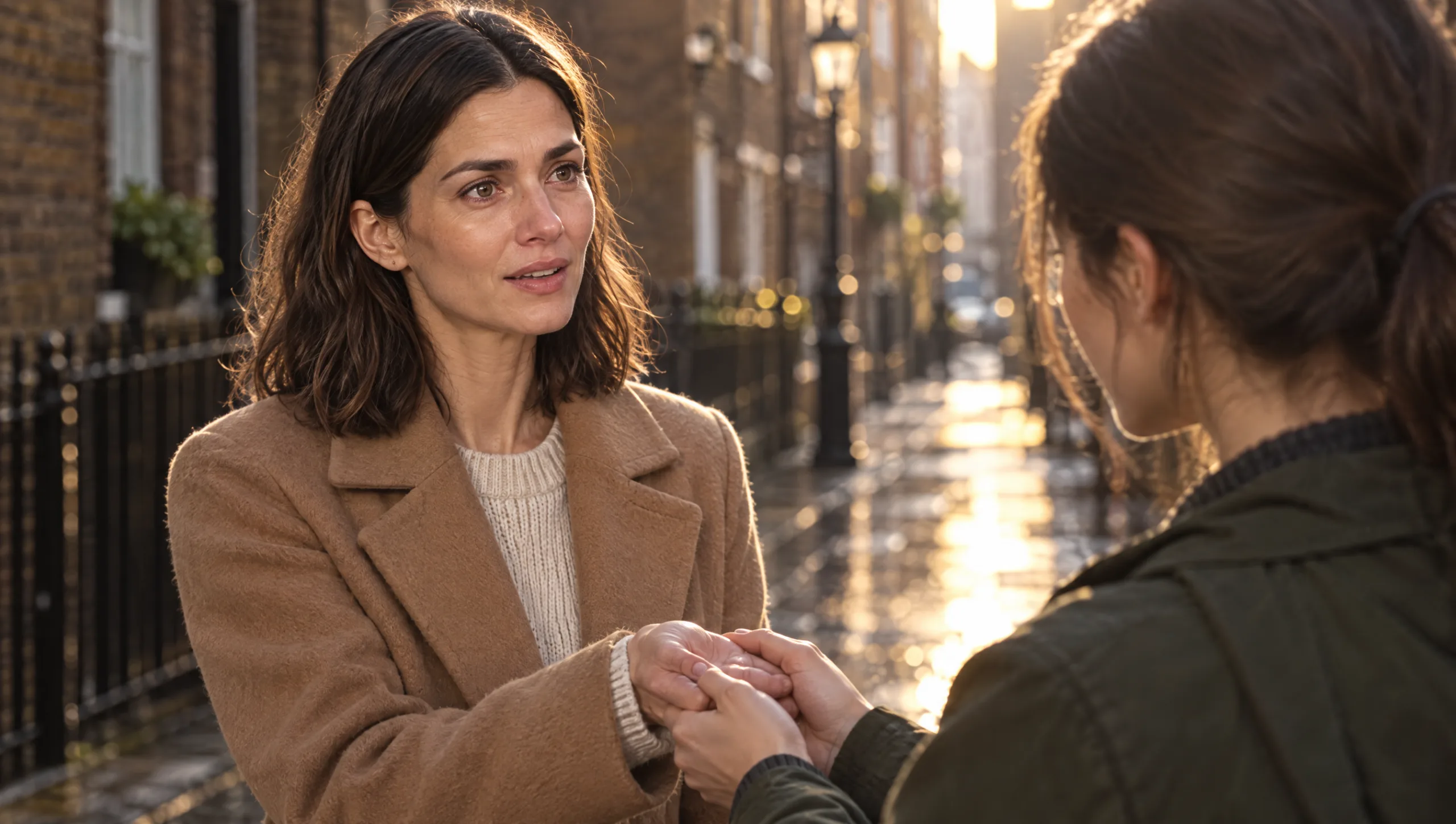
Moved people act. They call their mother, they forgive someone, they buy the thing, they sign up, they show up. The research is clear on this, and so is every fundraiser who has ever used a reunion story instead of a statistic. A film that produces awe gets a comment. One that produces connection gets a response in the viewer’s own life.
Why Fifty Seconds Needs This More Than a Feature
A feature film can survive a slow first act. It has ninety minutes to find its relationship and earn its turn. A fifty-second film has no such margin. If the centre is hollow, there is nothing else to look at, and the viewer scrolls at second four. This is why short-form filmmakers who start from the tool struggle most. The format exposes the absence instantly.
The upside is just as sharp. Fifty seconds built on one real moment of connection has nothing to dilute it. One relationship, one distance, one turn, one callback. The short format is not a limitation on this kind of story. It is the ideal container for it, which is the subject of short film story structure built on one feeling.

The First Step, Every Time
Before any prompt, write the real event. Not a logline, not a treatment, not a prompt. A plain paragraph in your own words about what actually happened. Who was there, what they wanted, what went wrong, what suddenly changed, what they did with their hands. Write it badly. The point is to get the truth down before the craft arrives. Craft applied to a vague idea produces a vague film with good lighting.
Prompt 1: The Plain Event
To begin with, run this on the material you already have.
I am going to tell you something that really happened, in plain language, and I want you to help me keep it plain. Ask me, one at a time: who was there, what each person wanted, what went wrong, what suddenly changed, and what people did with their bodies and hands. After each answer, write it back to me in one plain sentence with no adjectives and no interpretation. At the end, give me the whole event as one paragraph of plain sentences. Do not add drama, meaning or craft. Here is the event: [DESCRIBE IT].Prompt 2: The Order Audit
Then, once the first answer exists, go one step further.
Here is how I started my last film, step by step: [DESCRIBE YOUR PROCESS]. Compare it to this order: real event, relationship sentence, story, script, then character, shots, voice and tools. Tell me where my order differed, which step came too early, and what the film lost as a result. Then give me the first thing I should do differently on the next film, in one line.Prompt 3: The Carry-Home Test
Last of all, the one that catches what the others miss.
Here is my film idea: [PASTE IT]. Imagine a viewer finishing it and closing their phone. Answer in one line each: what they remember a day later, who they would send it to and why, what they now believe about the person who made it, and what they might do differently that evening. If any answer is "nothing" or "no one", tell me what is missing from the story, not from the visuals.Common mistake
Retrofitting a story onto a look. The character is generated, the scenes exist, and now a story is written to join them up. It always shows. The story has to come first. Every later decision, from wardrobe to shot size to the pause in the voiceover, serves it. A story written last serves nothing and is served by nothing.
A note from Patchy
Quick version
Films that start from a tool look wonderful and give the audience nothing to carry home. The order that works is the real event, the relationship, the story, the script, and only then the character, the shots and the voice. People remember, share, trust and act on a beautiful story, and none of that can be added later. A fifty-second film needs this more than a feature because it has no time to recover. Start by writing what really happened, in plain language, before any prompt.
Your move
Take the moment you found in part 1 and run Prompt 1 on it tonight. Do not open any image or video tool until the plain paragraph exists. That paragraph is the foundation of everything the rest of this series builds.
Get the prompts. All three prompts from this article are in the free Prompt Library under Story.
Related articles
- The Art of Kama Muta, the pillar guide
- how to write a 50-second story for an AI short film
- building a prompt library that pays for itself
- creating a consistent AI character from scratch
Paid next step: The Kama Muta Storytelling Masterclass, the full method in the right order. It includes the moment finder and three case studies that start from real events.
Frequently Asked Questions
Should I write the script before creating my AI character?
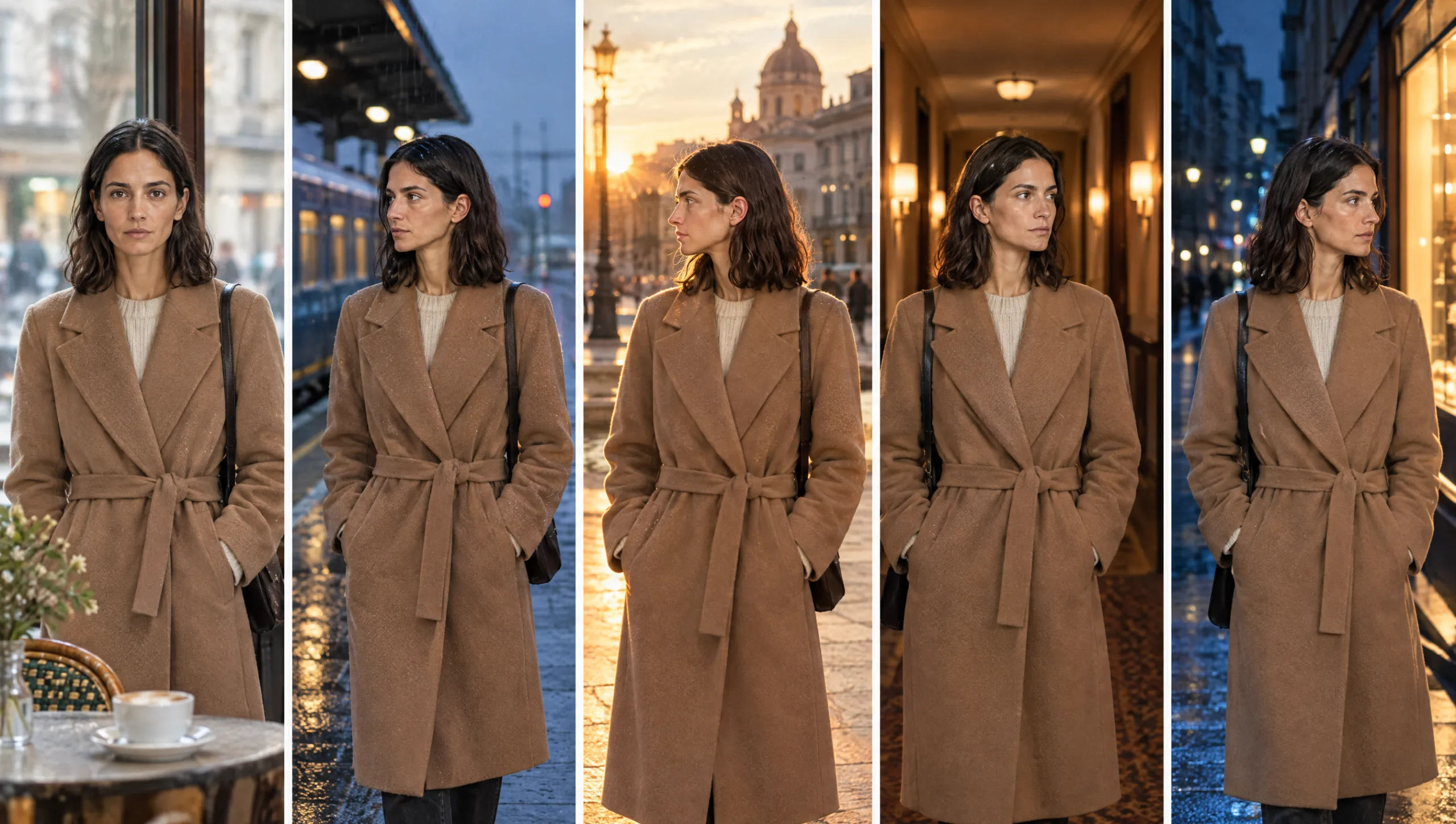
Yes. The character exists to serve the script. Her description, her wardrobe and the object she carries all come from the story, so building her first means guessing.
Why do beautiful AI films feel empty?
Because they usually start from a tool or a look rather than a relationship and a change. Without a distance that closes, there is nothing for the viewer to feel or remember.
What is the first step in making a short film with AI?
Write what really happened, in plain language, before any prompt. Then find the relationship at the heart of it. The tools come last.
Does story matter more in short films than in features?
It matters more sharply. A feature can recover from a slow start; a fifty-second film cannot, so a hollow centre is exposed within seconds.






Read the Comments +