AI FILMMAKING · AI SHORT FILM BREAKDOWN
Pickpocket is a ninety-one second AI short film about a phone that disappears in London, and what turns out to matter more than the phone. This breakdown shows how it was made, stage by stage, from the first line of the script to the last word on screen. It is for creators who can already generate a good shot and now want to make a film people feel. You will see every decision that mattered, the order behind them, and four prompts to run on your own story today.
At a glance
- The story came first: one real moment, one turn, one image that carries the meaning.
- Private character sheets for all three people kept every face the same across every shot.
- Wardrobe and props did the continuity work and also told the time.
- ElevenLabs v3 recorded the voice, and DaVinci Resolve Studio set it against the pictures.
- Seven words or lines appear on screen as typography, and every caption runs in English and Portuguese.
Film facts: 91 seconds · vertical 1080 x 1920 · 30 frames per second · shots in Higgsfield · voice in ElevenLabs v3 · finished in DaVinci Resolve Studio.
The AI Short Film in Ninety Seconds
Here is the whole voiceover, exactly as it plays. Read it once before going further, because every stage below serves these words.
“There is a version of me that exists only in the three seconds before something goes wrong. Completely calm. I miss her already. In Louboutin, my daughter called. When we hung up, Tyrone said, put your phone away. Straight into my bag. Zipped. Responsible. Then someone bumped me. Later, I reached for Apple Pay. Nothing. I ran back. Searched everywhere. Asked for CCTV. They gave me a form. Three days later, the phone was still gone. Insurance covered damage. Not theft. Then, on a London street, I saw the light falling beautifully between the buildings. My hand rose to photograph it. Empty. And then I heard, Mum. My daughter put her own phone away, took that empty hand, and pulled me into her arms. The phone had stored my memories. But it was never the memory. She was.”
Notice how little happens. A phone goes into a bag, and the bag is later empty. A hand rises to take a picture, and another hand takes it instead. That is the whole film.
Why This AI Short Film Works: The Turn Is a Hand
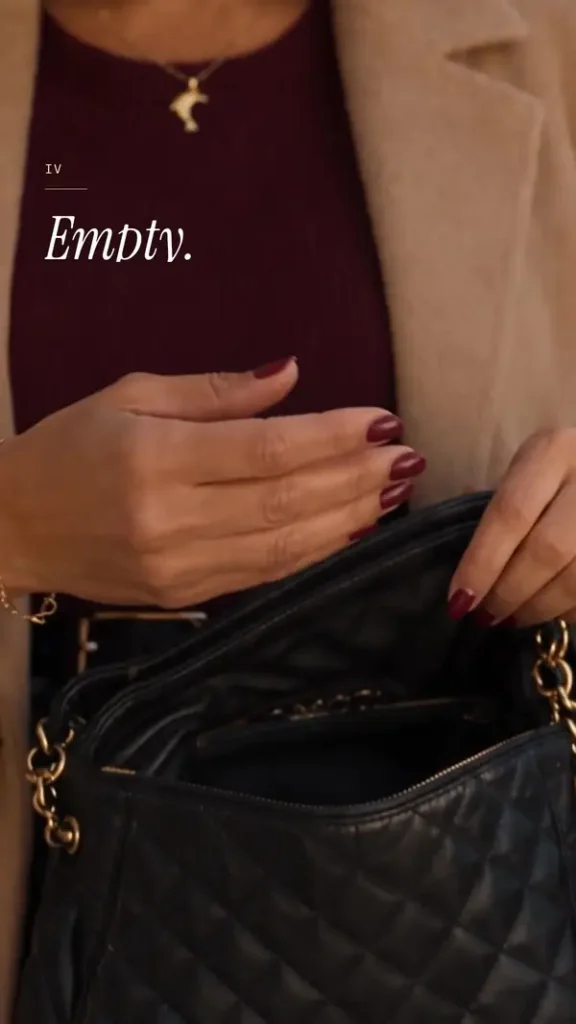
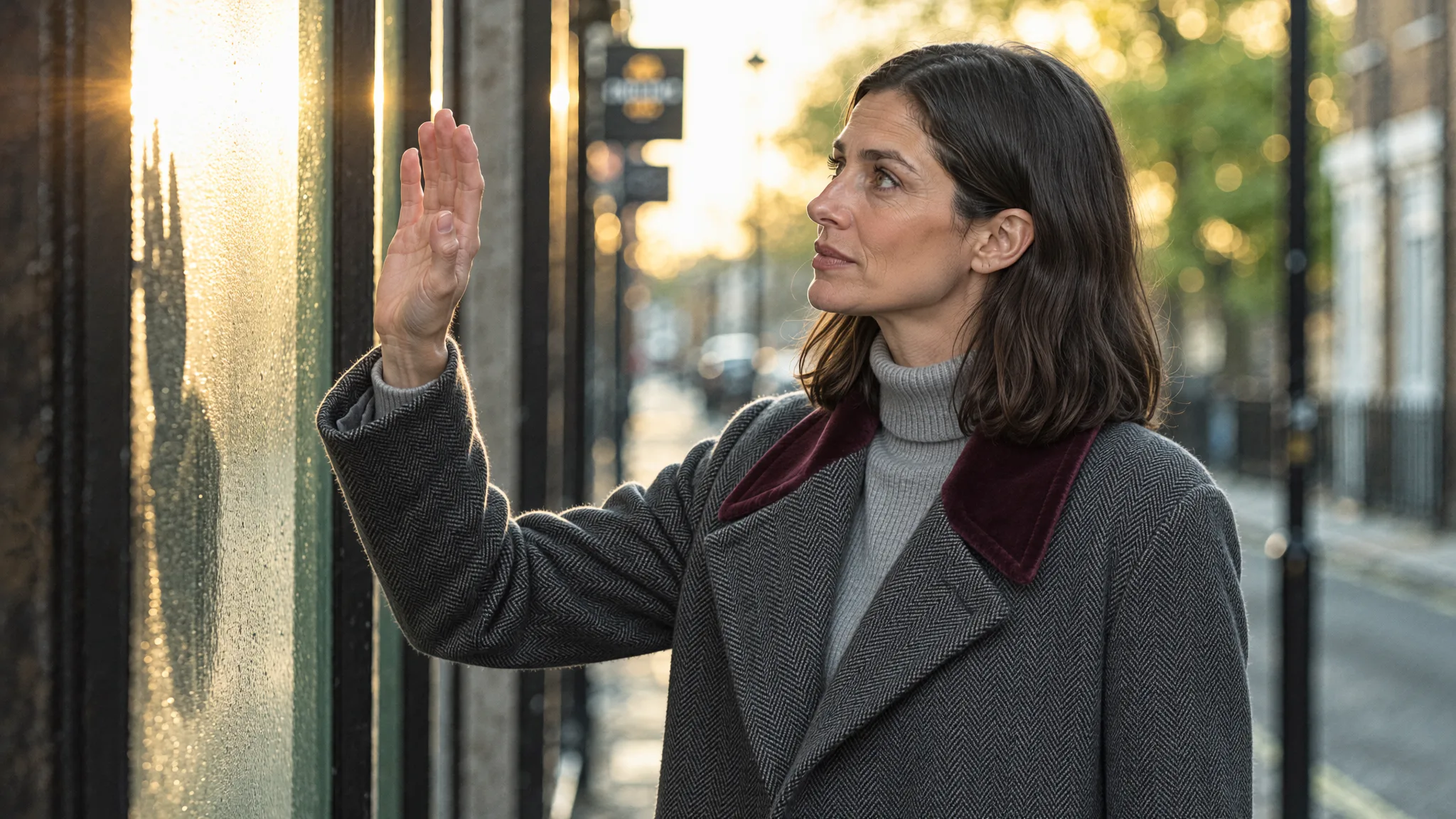
An AI short film succeeds or fails on its turn, the single moment where the meaning changes. In Pickpocket the turn is not the theft. Instead, it is the hand that rises to photograph the light and finds nothing in it. That empty hand is the lowest beat. Then the daughter takes it, and the same hand becomes the connection.
This is kama muta, the feeling of being moved by sudden closeness. The audience feels it in the body before the voice explains it, because the picture arrives first. The whole method behind that feeling is in The Art of Kama Muta, and Pickpocket is the film that series is built on.
So the first decision of the whole production was not a shot or a prompt. It was this: the film is about the hand, not the phone.
Stage 1: The AI Short Film Script Came First
I wrote and timed the script before generating a single frame. That order matters. When you generate first, you end up writing a story to fit the shots you happen to have. When you write first, every shot has a job.
Three choices in the script carry the film. First, it opens on calm, the “three seconds before something goes wrong”, so the audience has something to lose. Second, the middle is a run of short, flat sentences: ran back, searched, asked for CCTV, a form, three days, not theft. The rhythm is the frustration. Third, the ending returns to the phone in one line and then lets it go: the phone stored the memories, but it was never the memory.
If you want the structure behind a script this short, writing a 50-second story for an AI short film walks through the five beats.
Prompt 1: The Turn Finder
Run this before you write a single line. It finds the image your film is really about.
Here is a real moment from my life in plain language: [DESCRIBE THE MOMENT IN FIVE TO EIGHT SENTENCES]. Find the turn: the single moment where the meaning changes. Then name one physical image that could carry that turn without any words, something a camera can see, such as a hand, an object or a door. Tell me what the image means before the turn and what it means after it. Finally, suggest an opening image that shows the calm before anything goes wrong. Keep every answer to two sentences.Stage 2: Three Characters, Built Privately
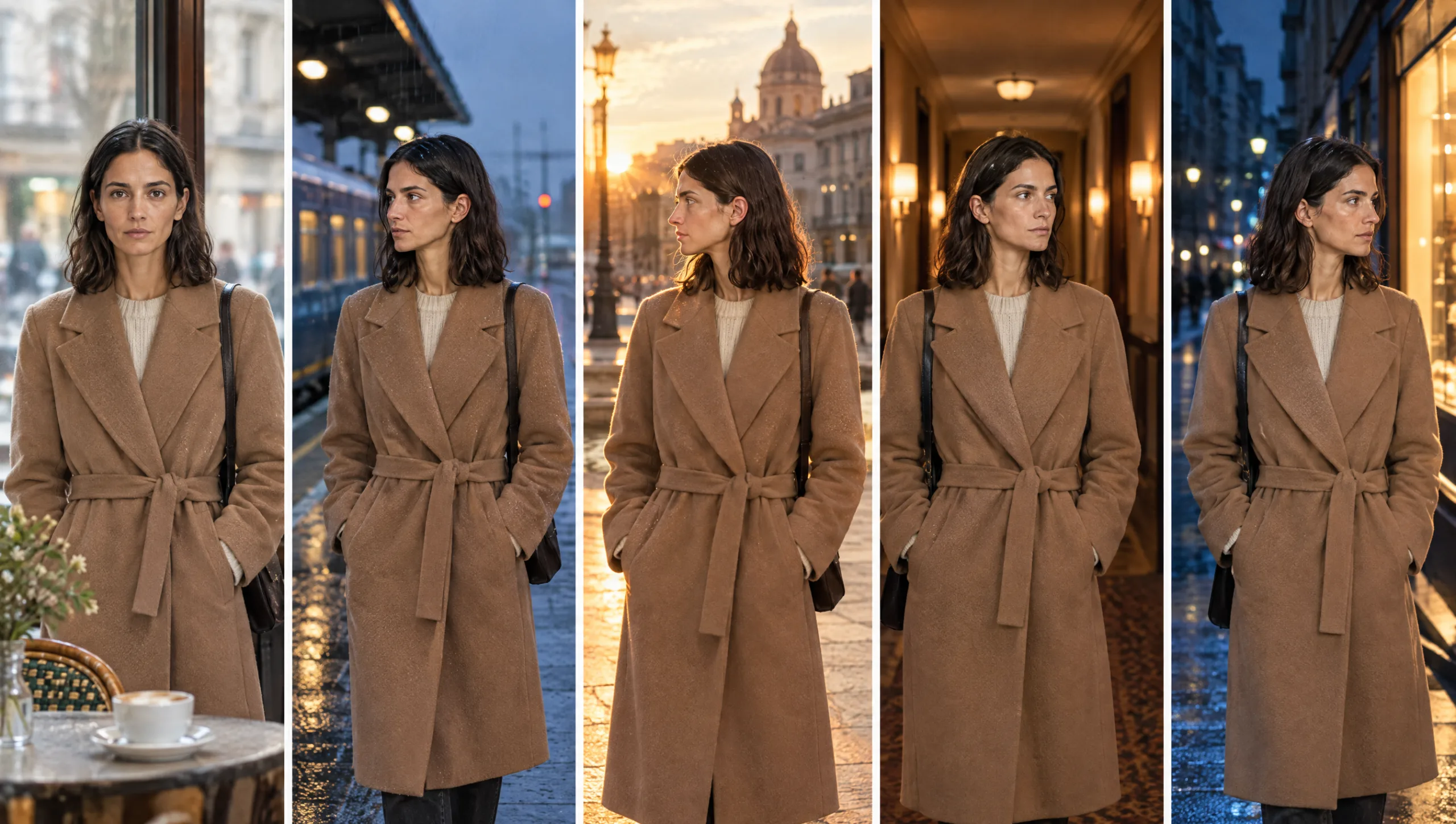
Pickpocket has three people in it: the narrator, her partner and her daughter. Each one started as a character sheet in Higgsfield before any scene existed. Those sheets are what kept each face the same from the shop to the street to the embrace.
The character sheets themselves stay private. They are the keys to real people’s likenesses, so only the finished film and its stills are ever published. If you are building characters of yourself or your family, treat the sheets the same way. The method for building them is in how to create a consistent AI character from scratch.
Stage 3: Wardrobe and Props Tell the Time
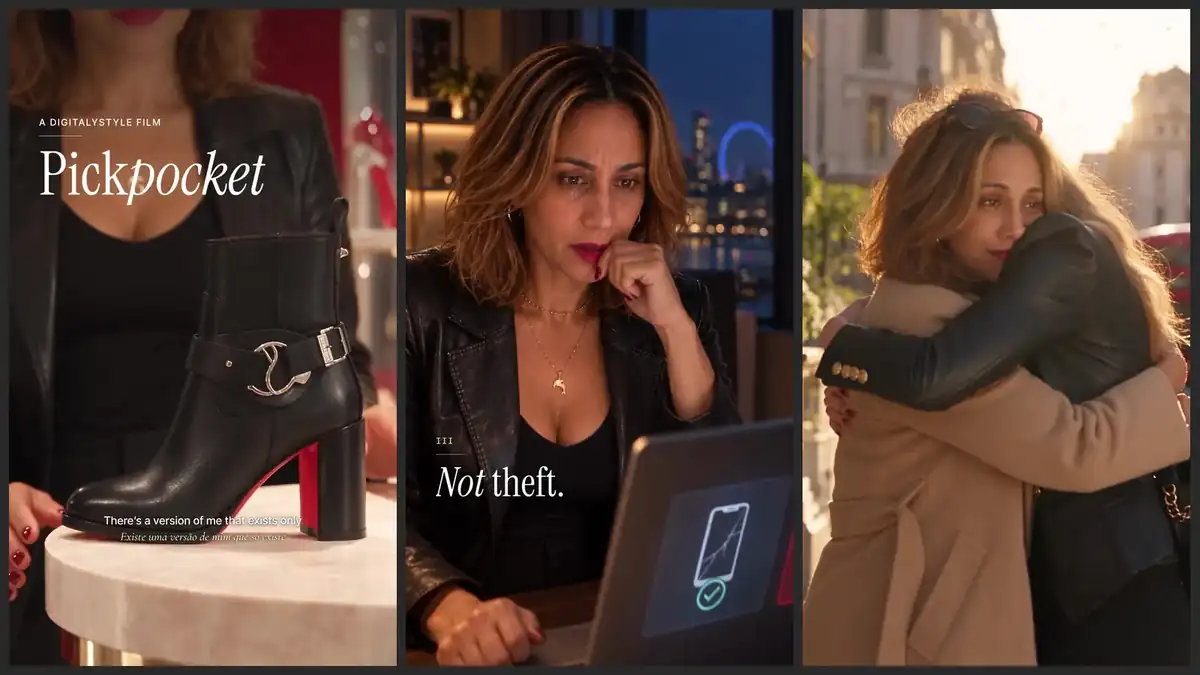
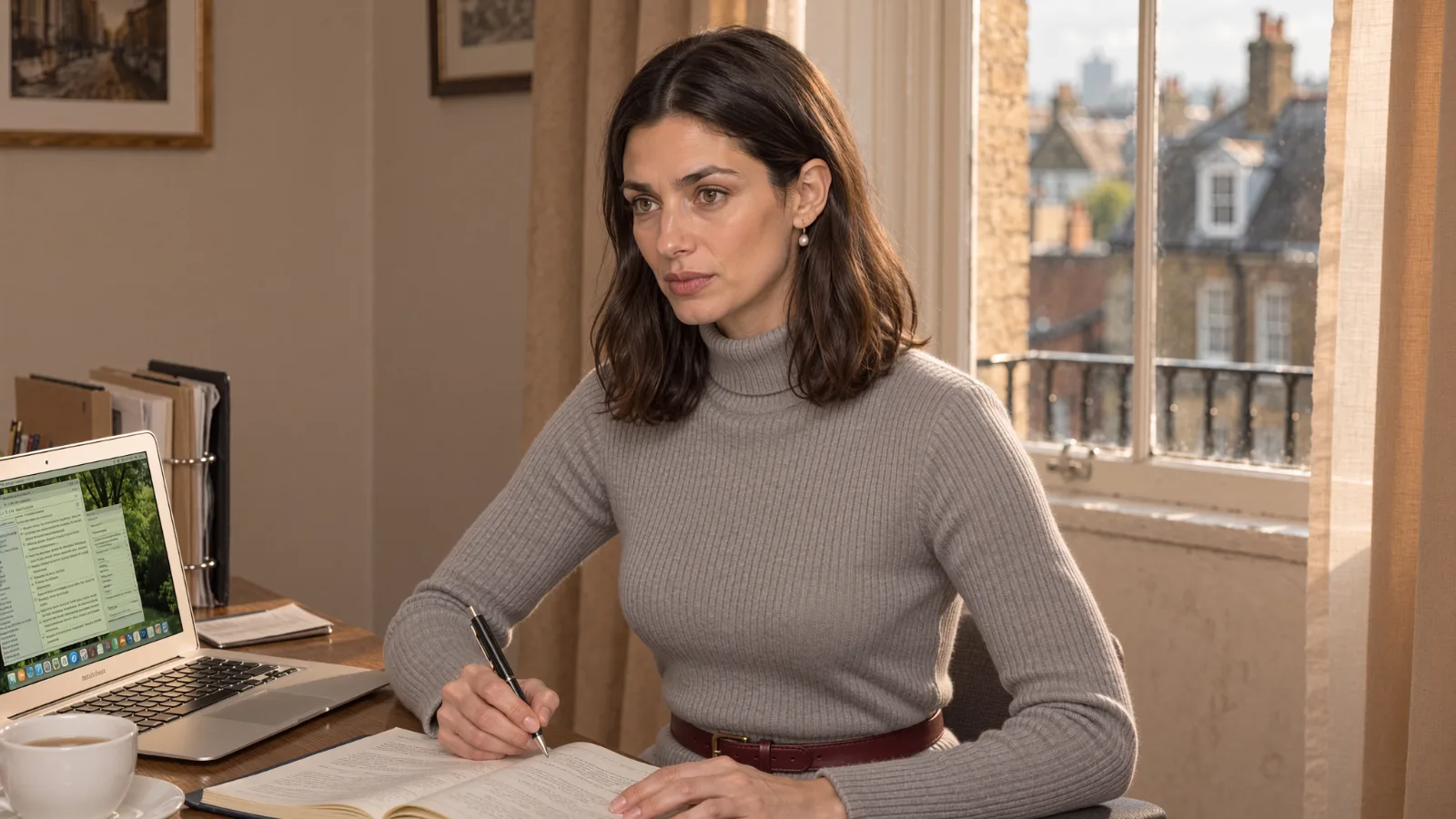
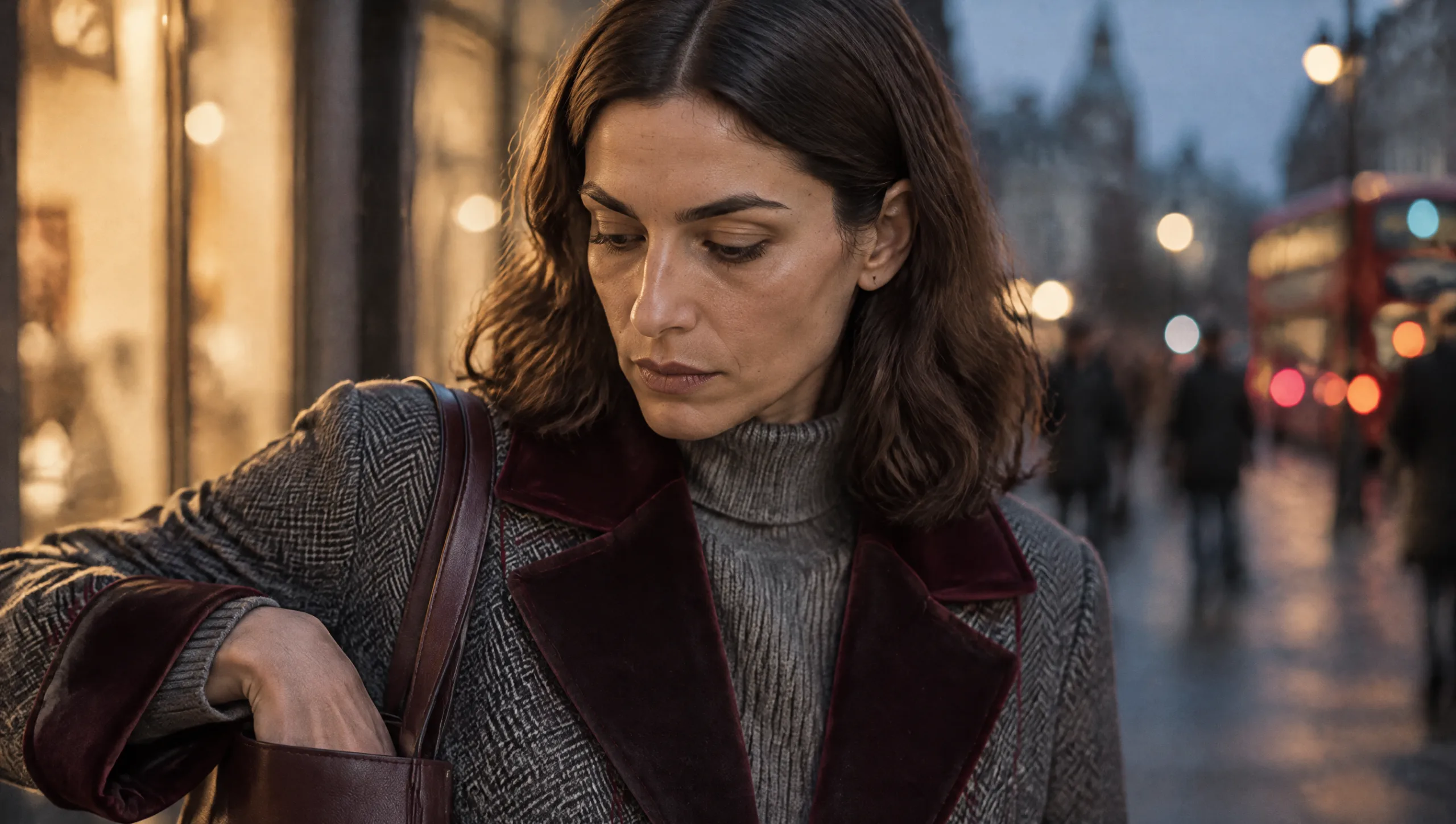
Look at the stills and you will see two wardrobes. In the first half, the narrator wears a black leather jacket, a black top, black trousers and a quilted black bag on a gold chain. After “three days later”, she wears a camel coat over a burgundy ribbed top with a black belt. The change is not decoration. It tells the audience that time has passed, without a single caption saying so.
Meanwhile, the small things never change. The same gold necklace and pendant, the same deep red nails and the same quilted bag appear in almost every shot. Those details are the continuity anchors. In fact, the bag does more work than any other object in the film. It is zipped in one shot, empty in another, and on her shoulder in the embrace.
Prompt 2: The Wardrobe Clock
Use this to plan wardrobe so it carries time and holds continuity at once.
My film has these time sections: [LIST THEM, FOR EXAMPLE DAY ONE, THREE DAYS LATER]. My main character is [CHARACTER NAME]. For each section, design one outfit locked down to fabric, colour and fit, so the change between sections tells the audience that time has passed. Then list the anchors that must stay identical in every section: [JEWELLERY, NAILS, BAG OR OTHER PROP]. Finally, name the one prop that should carry the story, and list every shot where it must appear and in what state.Stage 4: AI Short Film Shots Sized to the Feeling
Higgsfield generated every shot in Pickpocket, and I chose each shot size for the feeling of its line. The opening is an extreme close-up on a boot and a hand, so the audience starts inside a calm, private moment. Then the camera widens as things go wrong: a full shot stepping out of the shop, a run down a wet street, a medium shot at a service desk with a blank form.
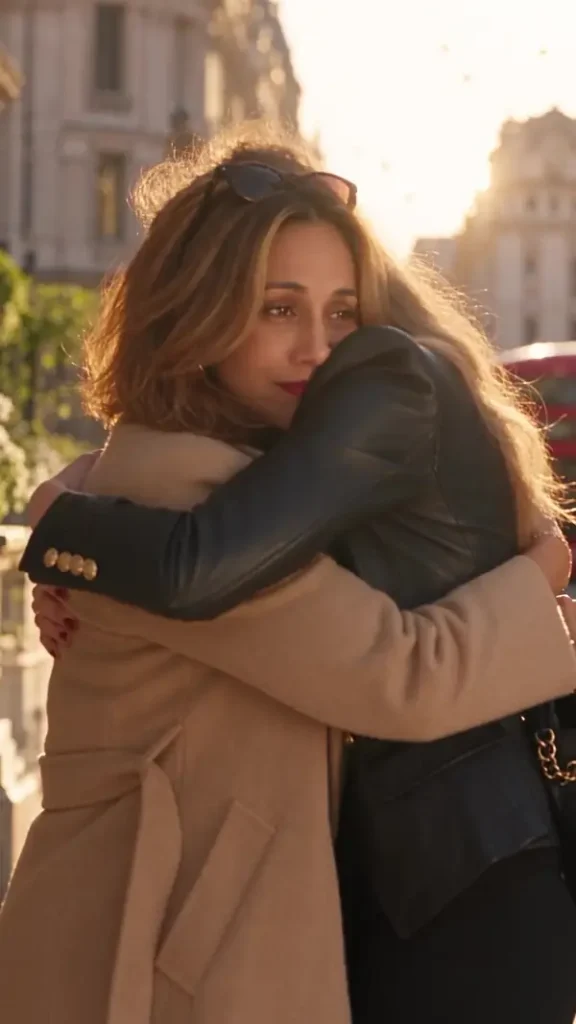
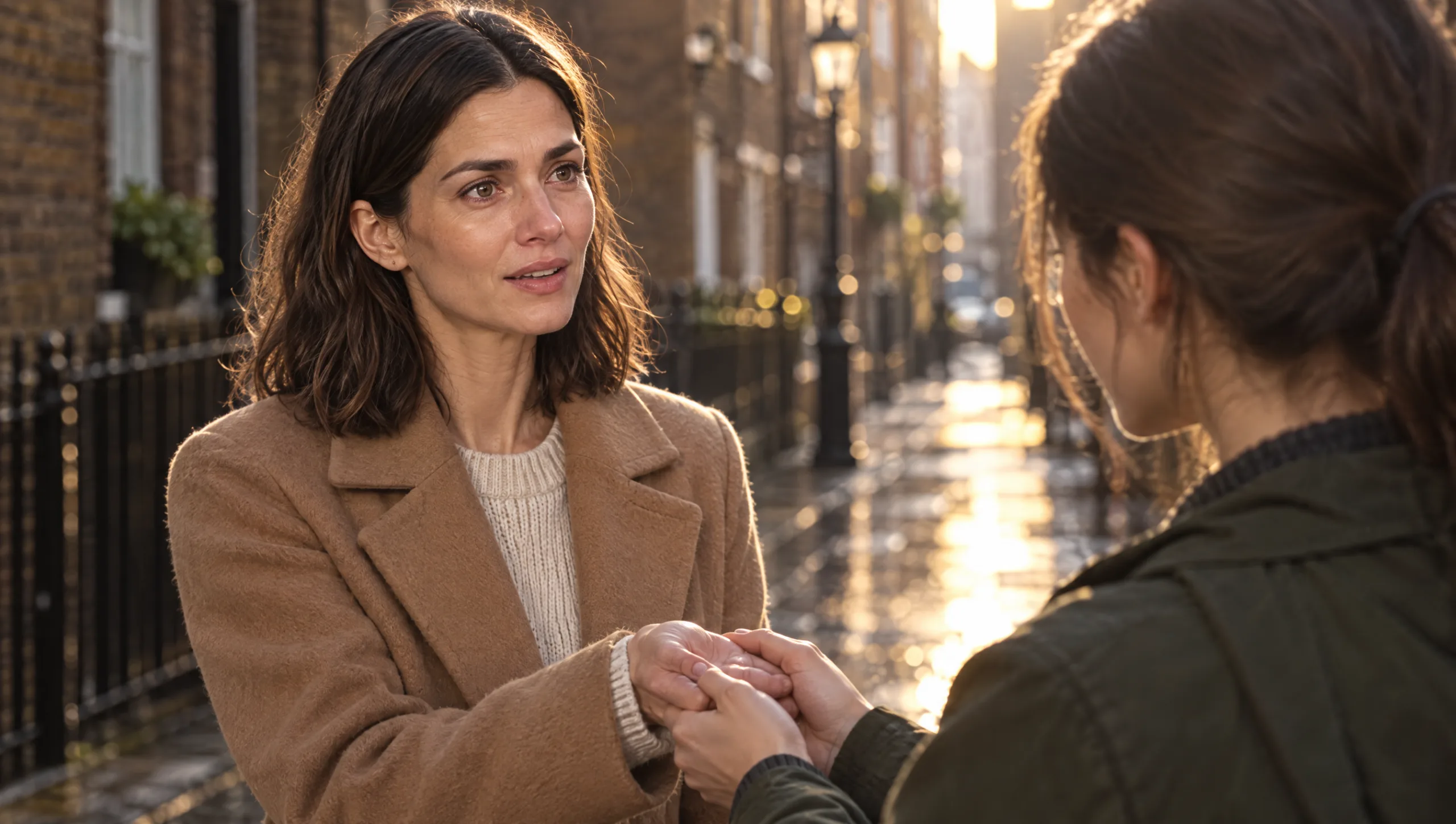
At the turn, the camera comes close again. The empty hand is a close-up on the fingers and the open bag. After that, the embrace is a two-shot in golden light, with the city soft behind it. In short, the camera goes wide when she is alone and close when she is connected. The full ladder of sizes, and what each one does to an audience, is in shot sizes and emotion.
Stage 5: The Voice Carries the Rhythm
I made the voiceover in ElevenLabs v3. It speaks in the first person and keeps its register low and level for most of the film. Above all, it does not perform the feeling. The word “Empty” sits alone. Before “Mum” there is space, so the audience hears the word the way the narrator did.
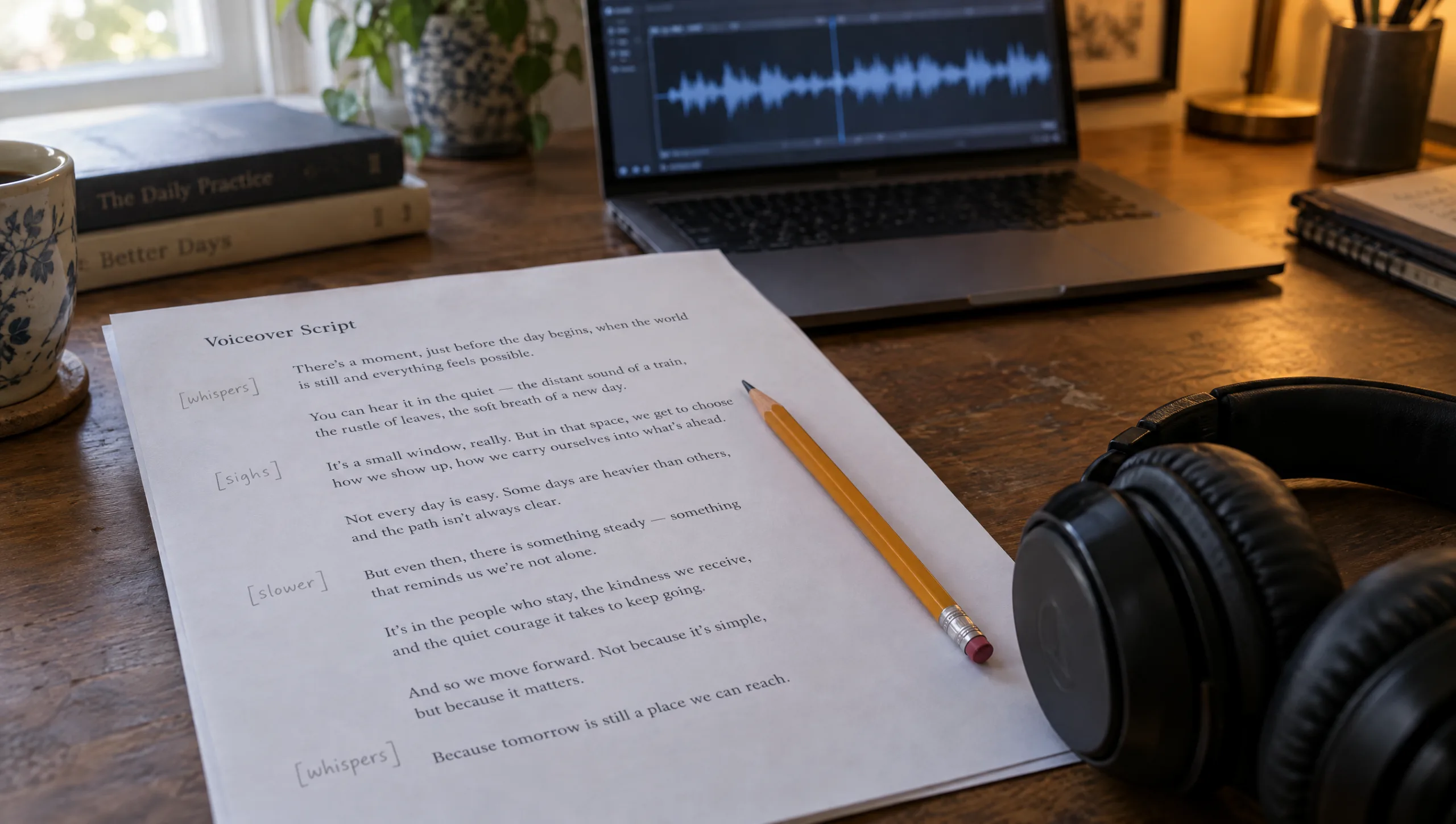
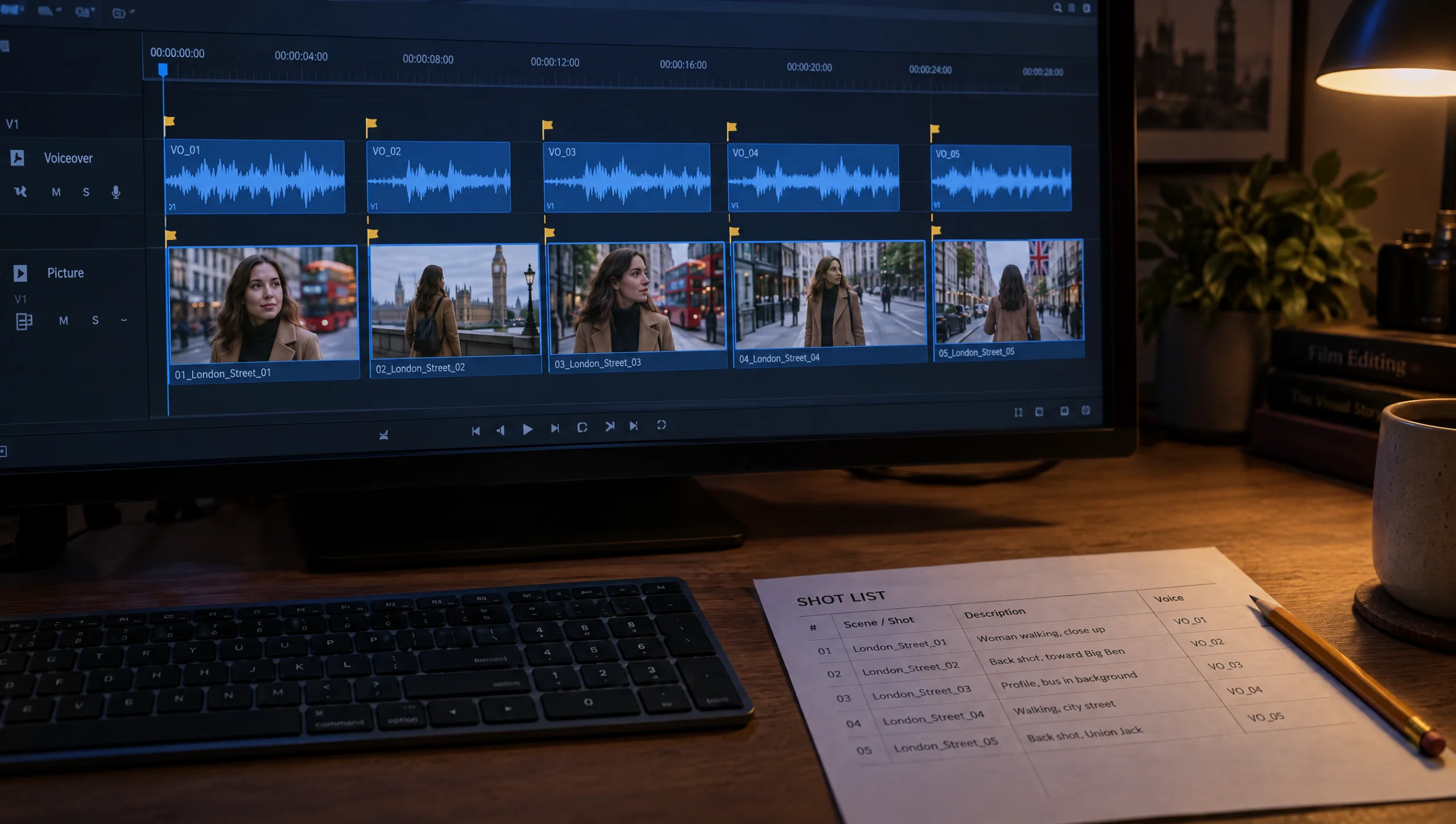
Because the voice leads the edit, I cut the pictures to its breaths, not the other way round. The method for fitting a voice to a short film is in recording the voiceover for an AI short film, and the restraint behind it is in directing an emotional voiceover.
Stage 6: The Edit and the Words on Screen
I finished the film in DaVinci Resolve Studio. On top of the pictures sit two layers of words, and they follow different rules.
The first layer is the captions. Every spoken line appears in English with the Portuguese translation underneath in a smaller italic serif. They sit low and centred, and they are small enough to read without covering a face.
The second layer is typography. Seven moments in the film are set as large editorial words, and the storyboard gives each one an exact time and place:
- “A DigitalyStyle film” and “Pickpocket”, 0:00.6 to 0:04.4: the title, in the upper zone over the dark boot shot, before the voice begins.
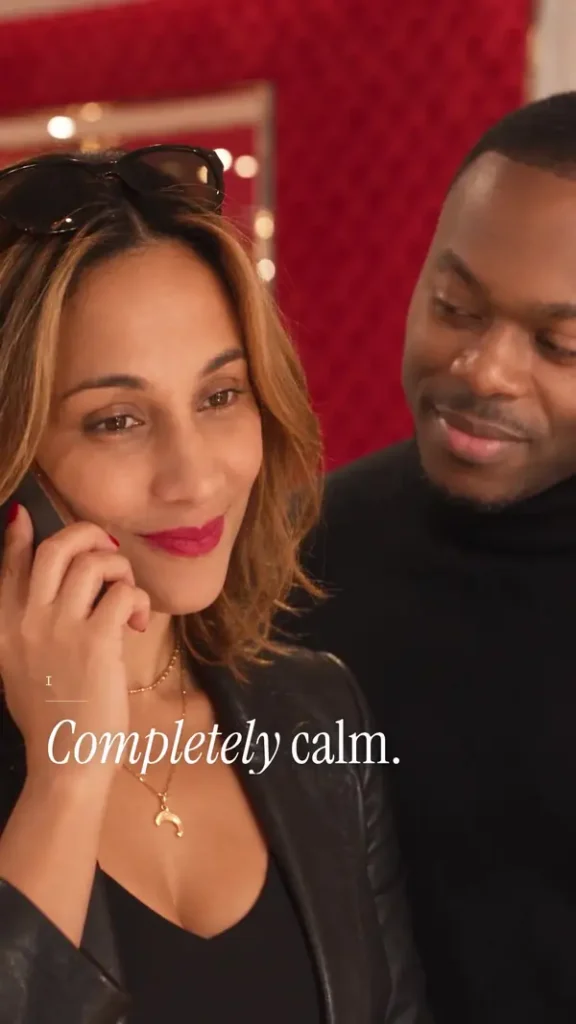
- “Completely calm.”, 0:07.5 to 0:10.9: lower zone over the jacket, with both faces clear.
- “Zipped. Responsible.”, 0:23.7 to 0:27.4: right aligned beside the bag, with a touch of irony on the second word.
- “Not theft.”, 0:49.9 to 0:52.4: lower left, clear of the laptop, held into the pause.
- “Empty.”, 1:02.5 to 1:04.8: upper zone on the burgundy top, almost a whisper.
- “She was.”, 1:21.6 to 1:23.0: lower left over the daughter’s hair, at the emotional peak.
- “Only held.” and the call to action, 1:24.0 to 1:31.3: the end card, over a light grey veil on the embrace.
Three rules govern all seven. Each word appears exactly as it is spoken. Everything rises slowly from behind a fine lime rule, with no bounce. Finally, no word ever touches a face or another graphic. The typefaces are Instrument Serif, Cormorant Garamond, Inter Tight and IBM Plex Mono.
Prompt 3: The Words-on-Screen Storyboard
Give this your timed script and it returns a typography plan you can build in your editor.
Here is my voiceover script with timecodes: [PASTE SCRIPT WITH START AND END TIMES]. Here is a one-line description of the shot under each line: [PASTE SHOT LIST]. Choose five to seven words or short phrases to set on screen as large typography. Pick only the lines that carry the turn, the irony or the emotional peak. For each one, give the exact time in and out, a screen zone that never covers a face or a hand, and the entry: slow rise from behind a fine rule, no bounce. Return a numbered storyboard, then one sentence on the overall rule.Prompt 4: The Bilingual Caption Pass
Use this to add a second language to your captions without losing the rhythm.
Here are my English captions, one per line, with timecodes: [PASTE CAPTIONS]. Translate each line into [LANGUAGE] for [COUNTRY] viewers. Keep the same number of lines and the same timecodes. Match the rhythm of the English: short where it is short, broken where it is broken. Choose natural spoken wording over literal translation, and keep any name, brand or place exactly as it is. Flag any line where the translation would be more than one and a half times the English length.If you want the dubbed version of a film rather than captions, see dubbing an AI short film with ElevenLabs.
Common mistake
Making the film about the plot. It would have been easy to make Pickpocket about the theft: the bump, the chase, the CCTV. Instead, those beats move fast and flat, and the film slows down only for the empty hand and the embrace. Give your time and your closest shots to the turn, not to the event.
A note from Patchy
Quick version
Find the turn in a real moment and name the one image that carries it. Write and time the script before any shot exists. Build every character from a sheet and keep the sheets private. Let wardrobe tell the time while small props hold continuity. Size each shot to the feeling, record the voice with restraint, then cut the pictures to the voice. Finally, add bilingual captions and no more than seven words of typography.
Your move
Write down one real moment from the last month in five sentences. Run Prompt 1 on it and circle the image it gives you. That image is your film. Tomorrow, write the script around it, and only then open Higgsfield.
Get the prompts. All four prompts from this breakdown are in the free Prompt Library under Story and Editing.
Related articles
- The Art of Kama Muta, the pillar guide
- writing a 50-second story for an AI short film
- shot sizes and emotion in AI film
- turning a script into a shot list for AI video
Paid next step: The 50 Second Story Builder takes you from a real moment to a timed script and a shot list, the first two stages of this film.
Frequently Asked Questions
What is the first step in making an AI short film?
Find the turn in a real moment, then write and time the script. Generate shots only once you know which image the whole film is about.
Which tools were used to make the AI short film Pickpocket?
Higgsfield for the characters and every shot, ElevenLabs v3 for the voiceover, and DaVinci Resolve Studio for the edit, captions and typography. The script came first, before I opened any tool.
How do you keep the same face across every shot of an AI short film?
Build a character sheet for each person before making any scene, and generate every shot from it. Then lock the wardrobe and a few small anchors, such as jewellery and nails, so the eye reads the same person.
Why add Portuguese captions to an English AI short film?
Captions in two languages let one film reach two audiences without a second edit. Keep them small, low and centred, so they never cover a face.


Read the Comments +