Your professional reputation is working for you or against you at every moment, whether you tend it or not. Most professionals focus on delivering good work and assume the reputation will follow. However, that leaves one of your most valuable business assets to chance. A reputation does not simply reflect what you do. It reflects what other people believe about what you do, and the two are rarely the same without deliberate effort. This guide explains what a professional reputation consists of and where most professionals go wrong. Then it shows how to build one that opens doors before you have said a word.
Why Reputation Matters More Than a Portfolio
A portfolio shows what you have done. A professional reputation decides whether anyone cares enough to look. Consequently, two professionals with the same skills and comparable results can have very different opportunities, because of how each one positions themselves in the market. The one with the stronger reputation receives inbound enquiries, premium rates and referrals without asking. The other one pitches, chases and discounts.
A reputation is the sum of every impression you have created across every touchpoint. Furthermore, it stays largely invisible until the moment someone decides whether to hire you, refer you or trust you. At that moment it becomes the deciding factor. So building it on purpose is not optional for anyone who wants to grow without relying on luck.
The Problem Most Professionals Ignore
The most common mistake is assuming that good work speaks for itself. In reality, good work done quietly produces quiet results. Most professionals underinvest in making their expertise visible, and as a result their reputation stays confined to a small circle of existing clients.
Many also undermine their own reputation without noticing. Inconsistent communication, slow replies, overpromising and missed small commitments all wear it down. The damage is rarely dramatic. Nevertheless, it accumulates, and clients form impressions long before you notice a pattern. You are always building your professional reputation. The only question is whether you are doing it on purpose.
What a Strong Professional Reputation Includes
A strong reputation is not the same as being liked or well known. Instead, it rests on four things that work together.
Credibility. This is the core. It comes from consistent delivery, relevant expertise and a track record others can verify. You cannot claim credibility. You have to demonstrate it again and again. My guide to why professional credibility beats self promotion goes deeper on this.
Consistency. Unpredictability damages a reputation faster than anything else. Clients need to know what to expect from you. Consistency in communication, quality and conduct signals reliability more powerfully than any single outstanding result.
Visibility. The right people have to know. Your expertise and results must reach the audience that matters, through content, referrals, speaking or a deliberate presence in the right rooms.
Specificity. The clearest reputations rest on one area of expertise. Being known for everything is the same as being known for nothing. The narrower your reputation, the stronger the signal, and the easier it is for others to recommend you with confidence. If you are not sure what that one thing is yet, start with why clarity beats visibility in digital marketing.
Four Steps to Build It Deliberately
First, define what you want to be known for. Before anything else, decide the specific outcome, expertise or quality your reputation should represent. That one decision shapes every later choice about content, communication and positioning.
Second, document and share your results. Case studies, client outcomes and specific numbers build authority faster than any amount of self-description. Show the work and let the results make the argument.
Third, be consistent in every interaction. Emails shape your reputation as much as deliverables do. Every message either reinforces or undermines the impression you are building, and small interactions compound into the pattern people remember.
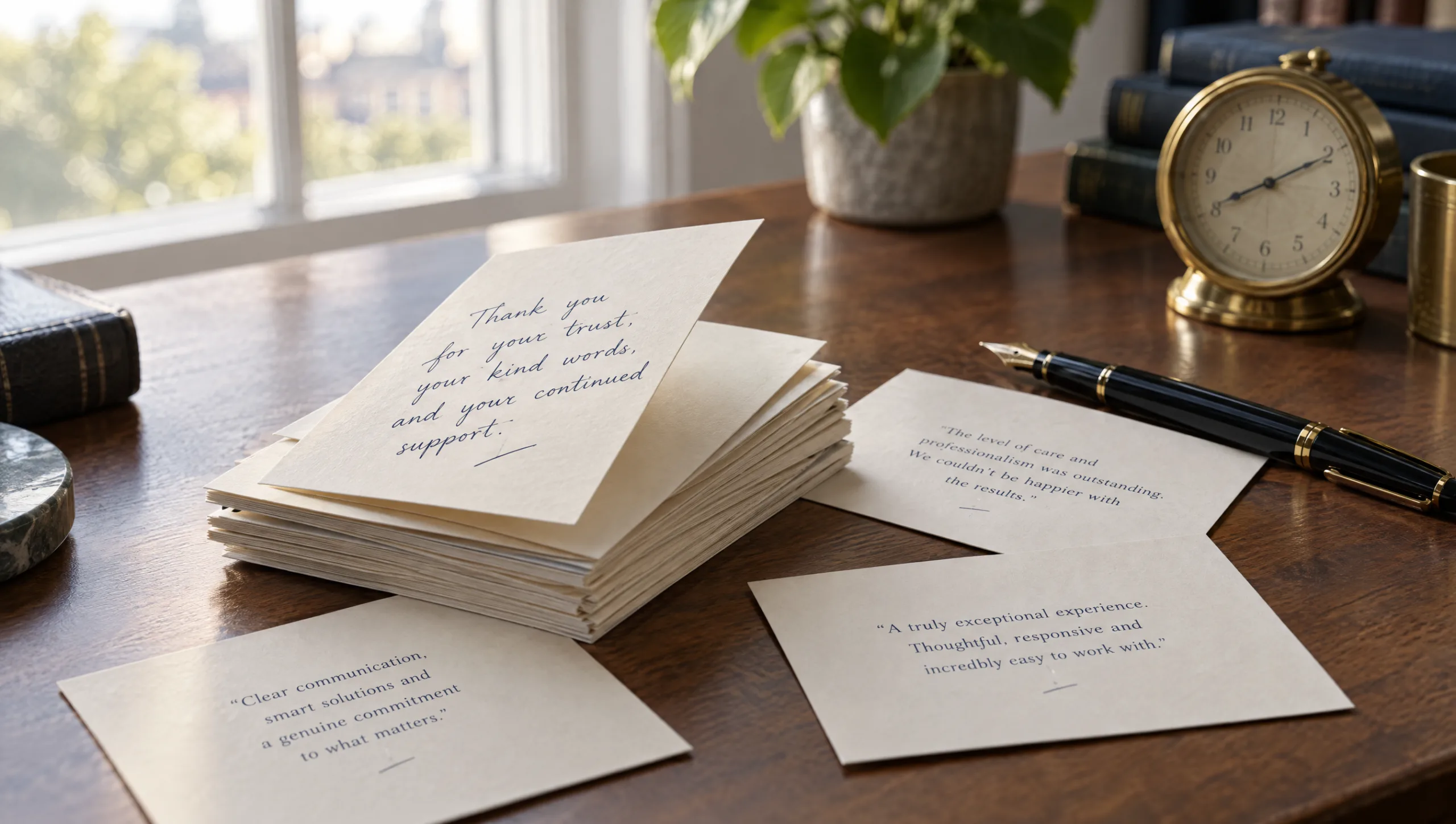
Fourth, ask for testimonials strategically. What others say about you carries far more weight than what you say about yourself. So ask for specific testimonials that reflect the exact positioning you want, because precise, outcome-focused praise is worth ten general compliments.
Reputation and Personal Brand Are Not the Same
People often use the two terms interchangeably, yet they do different jobs. A personal brand is the impression you actively project. A professional reputation is the impression others hold, independently of your efforts to shape it.
However, they are closely linked. A clear, consistent personal brand makes a reputation easier to build, because people experience you as you present yourself and trust forms quickly. When there is a gap between how you present and how you deliver, the reputation suffers, however polished the brand looks. The method for closing that gap starts with positioning that owns a space in the mind of your audience.
Why It Compounds
The most important thing to understand about a professional reputation is that it compounds. A reputation built over two years does not simply double in value over four. It accelerates. The opportunities it brings also change in kind: better clients, higher fees, more referrals, and access to platforms and partnerships that were out of reach before.
For instance, a professional who is well established in a niche finds that new prospects arrive already convinced. The cost of winning a client falls, because the reputation has done the persuading before the first conversation. That is the long-term return on every small, consistent action.
Where to Start
Identify one specific thing you want your reputation to stand for. Then audit every client-facing touchpoint against that standard: your replies, your proposals, your content, your follow-through. Refine the communication, sharpen the visibility and document the results, week after week. A strong professional reputation beats cold outreach every time, and it changes how your business grows.









Read the Comments +