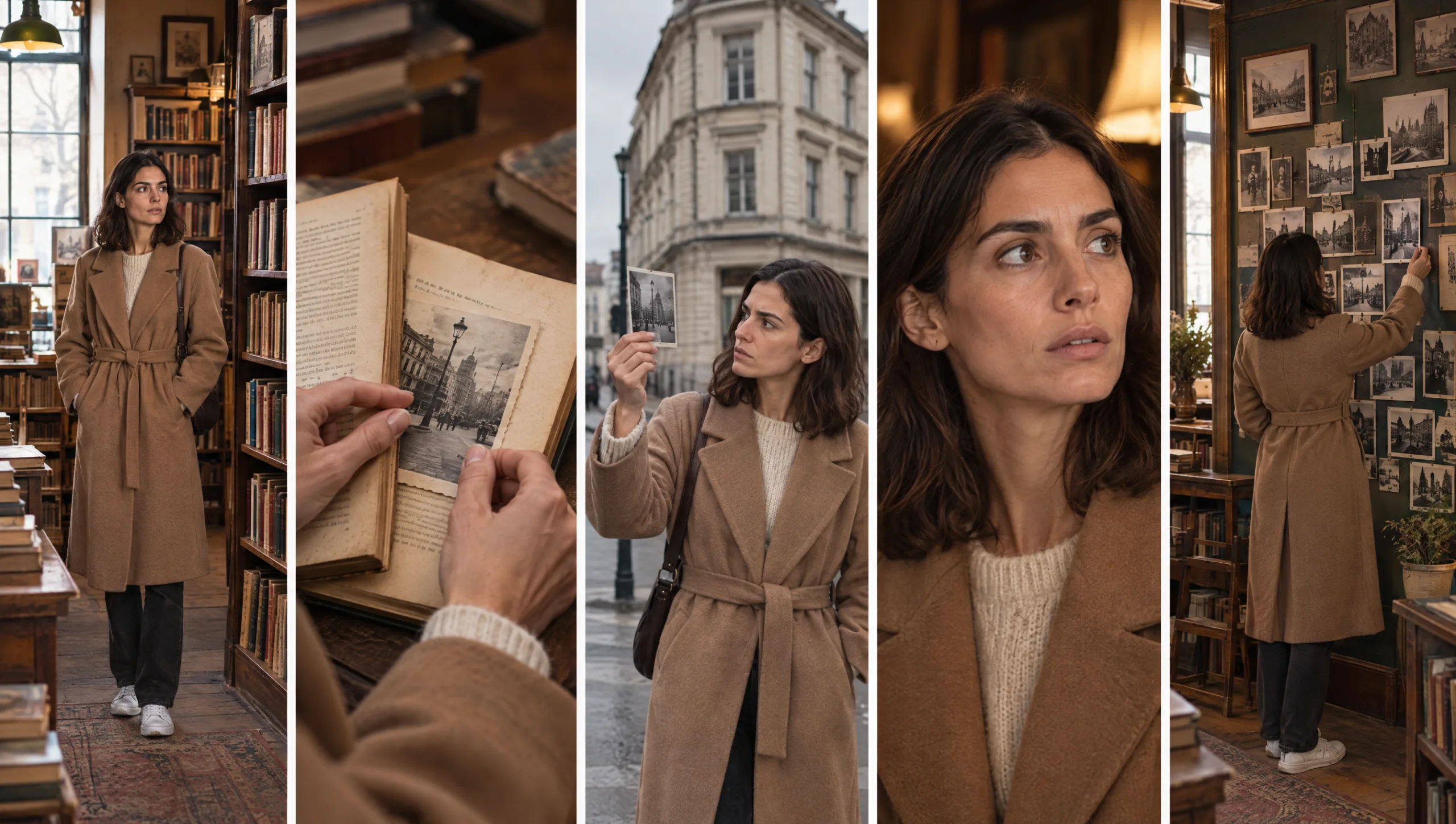
STORYTELLING AND SCRIPTS · HOW-TO GUIDE
You can generate a beautiful shot in thirty seconds. Most people then generate twenty more and discover that beauty is not a story. An AI short film script is not a small feature script. Fifty seconds has room for one character, one want, one obstacle and one change, and nothing else fits. Written that way, a fifty-second story is complete. It is also the right size for what the tools can shoot: eight to twelve shots, each a few seconds long, one character held consistent across all of them. This guide gives you the five-beat structure that fills fifty seconds and the story spine sentence that keeps it honest. It also gives you the shot list that turns it into a plan, and six prompts that write every part.
At a glance
- Decide the change before anything else: who is different at the end, and how.
- Write the story spine in one sentence.
- Break it into five beats with a time budget for each.
- Turn the beats into eight to twelve shots with durations.
- Write a voiceover only if the pictures cannot carry it, and keep it under ninety words.
- Audit the story before you generate a frame.
You will need: Claude or ChatGPT for the writing prompts, a character you can keep consistent, and the discipline to keep to one of everything.
Why Fifty Seconds Is Its Own Form
A feature has room for a world. A fifty-second film has room for a moment, and the moment has to turn. If nothing changes between the first shot and the last, the audience has watched a mood board. If everything changes, they have watched a trailer. One change, clearly shown, is the whole craft.
The form also matches the tools. Image and video generators are strongest at single shots of a few seconds with one character in one place. A story built from eight to twelve such shots plays to that strength. A story that needs two characters talking across a table in a continuous take fights it.
So the rule of one. One character, one object or place that matters, one want, one obstacle, one change. Every time you are tempted to add a second, the film gets longer or weaker.
Step 1: Start With the Change
Before the premise, before the character, decide what is different at the end. She arrives afraid and leaves calm. He keeps the thing he meant to throw away. The bag that was rubbish becomes the thing she carries home. The change is the film; everything else is how you show it.
Write it as one line with a before and an after. If you cannot write that line, you do not have a story yet, and no amount of generating will produce one.
Step 2: Write the Story Spine
The story spine is one sentence that holds the whole film: a character who wants something, cannot have it because of something, until something turns. It is the sentence you check every shot against.
Prompt 1: Story Spine Builder (run in Claude or ChatGPT)
Write a story spine for a fifty-second silent short film with one character. Use this exact shape: "[CHARACTER] wants [ONE CONCRETE THING], but [ONE OBSTACLE], until [ONE TURN], and ends [CHANGED STATE]." The want must be visible on screen, not a feeling. The obstacle must be physical or situational, not psychological. The turn must be an action the character takes or sees. Keep it under 40 words.

Character: [NAME AND ONE LINE]
Setting: [ONE PLACE OR ONE ROUTE]
The change: [BEFORE STATE] to [AFTER STATE]
A working example, using Mara. Mara wants to return a photograph she found inside a second-hand book, but the address on the back no longer exists. Then she sees the same photograph on the bookshop wall, and ends by leaving it where it belongs.
Step 3: Break It Into Five Beats
Fifty seconds divides into five beats, and each beat has a budget. The budget is the discipline.
Beat 1, the image (0 to 6 seconds). One shot that tells us where we are and who we are with. No action yet. The audience needs a moment to arrive.
Beat 2, the want (6 to 16 seconds). The character does something that shows what she is after. Shown, not explained.
Beat 3, the obstacle (16 to 30 seconds). The thing in the way, made physical. This is the longest beat because it carries the tension.
Beat 4, the turn (30 to 42 seconds). The action or discovery that changes the situation. One shot, usually the closest shot in the film.
Beat 5, the landing (42 to 50 seconds). The changed state, shown. Often an echo of beat 1 with one thing different.
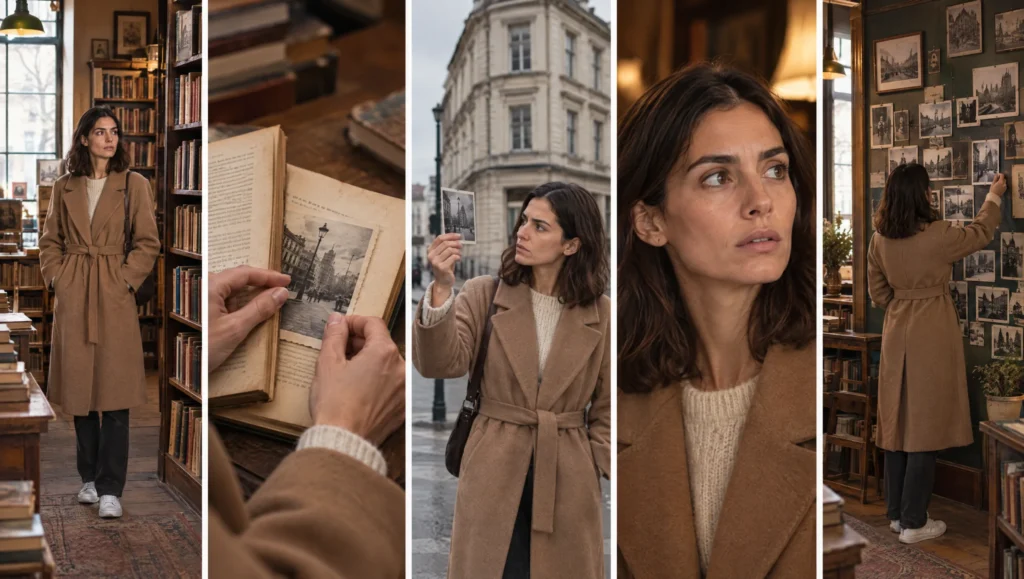
Prompt 2: Five-Beat Outline (run in Claude or ChatGPT)
Turn this story spine into a five-beat outline for a fifty-second silent short film. Beats and time budgets: 1 the image (0 to 6s), 2 the want (6 to 16s), 3 the obstacle (16 to 30s), 4 the turn (30 to 42s), 5 the landing (42 to 50s). For each beat write one or two sentences of what the audience sees, in the present tense, with no dialogue and no interior thoughts. Beat 5 must visually echo beat 1 with one clear difference. Keep the whole outline under 150 words.

Story spine: [PASTE FROM PROMPT 1]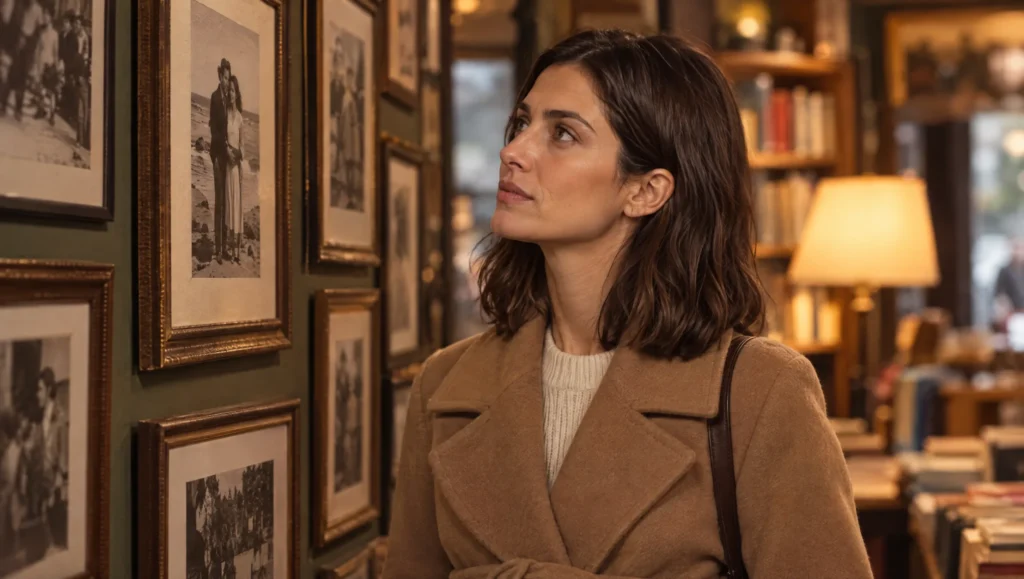
Step 4: Turn the Beats Into a Shot List
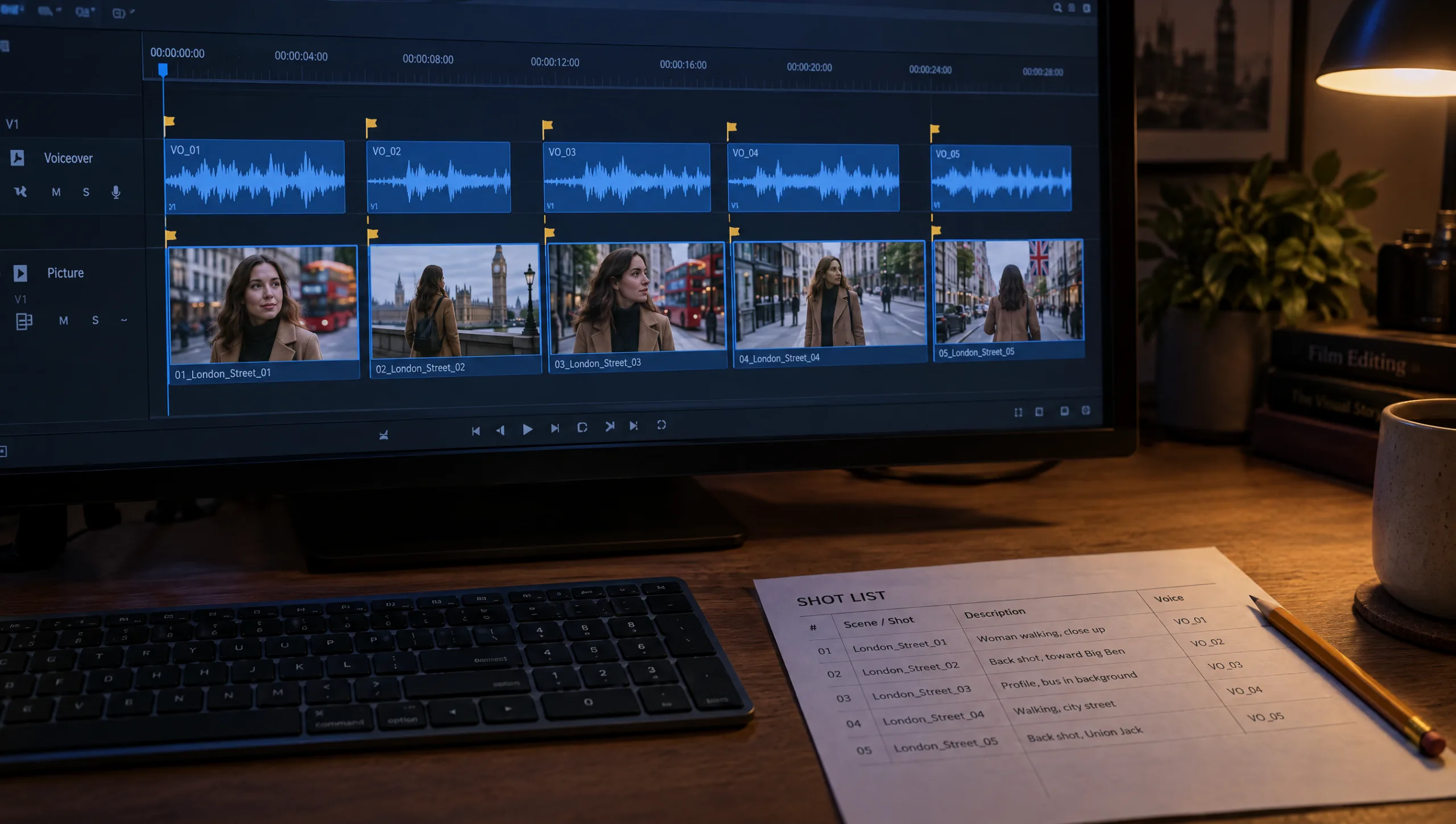
A beat is not a shot. Each beat becomes one to three shots, and the whole film comes to eight to twelve. Each shot gets a duration, a shot size and one action, which is exactly what the scene formula needs when you come to generate it.
Prompt 3: Shot List From Beats (run in Claude or ChatGPT)
Turn this five-beat outline into a shot list of 8 to 12 shots for an AI-generated short film. For each shot give: shot number, beat number, duration in seconds (3 to 7), shot size (wide, medium, medium close-up, close-up, insert), one sentence of action in the present tense, and the location in three or four words. Durations must total 48 to 52 seconds. Use at most two locations. Keep one character in every shot that has a person in it. Make the turn (beat 4) the closest shot in the film. Make the final shot echo the first shot's framing.

Outline: [PASTE FROM PROMPT 2]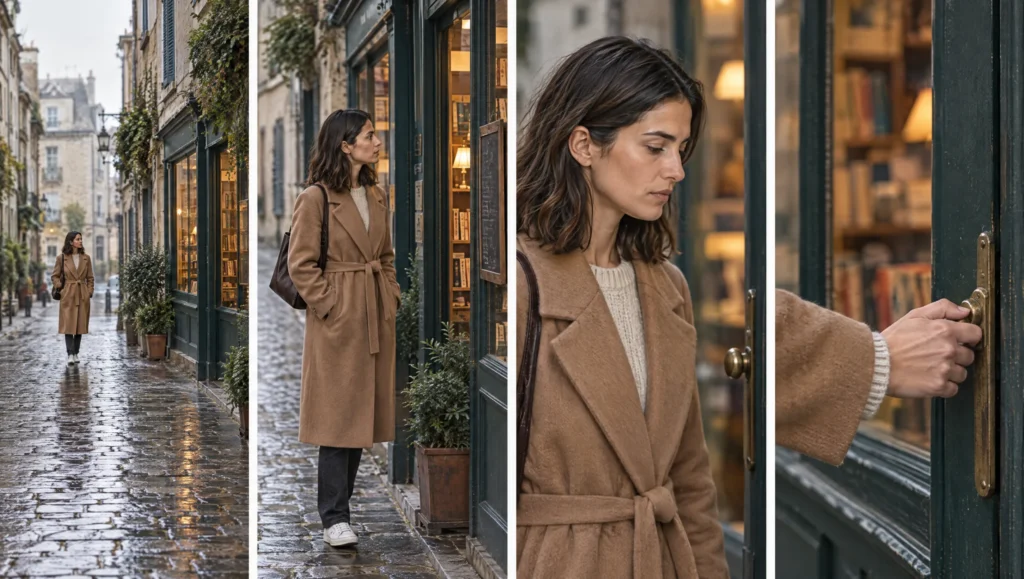
Read the list as an editor. Does every shot earn its seconds? Can two shots become one? Is the closest shot the turn? Then it goes into the character sheet as the scene log, and each line becomes a scene prompt. The full shot list format, with the twelve columns and the row-to-prompt converter, is in my guide to turning a script into a shot list for AI video.
Step 5: Voiceover, Only If the Pictures Need It
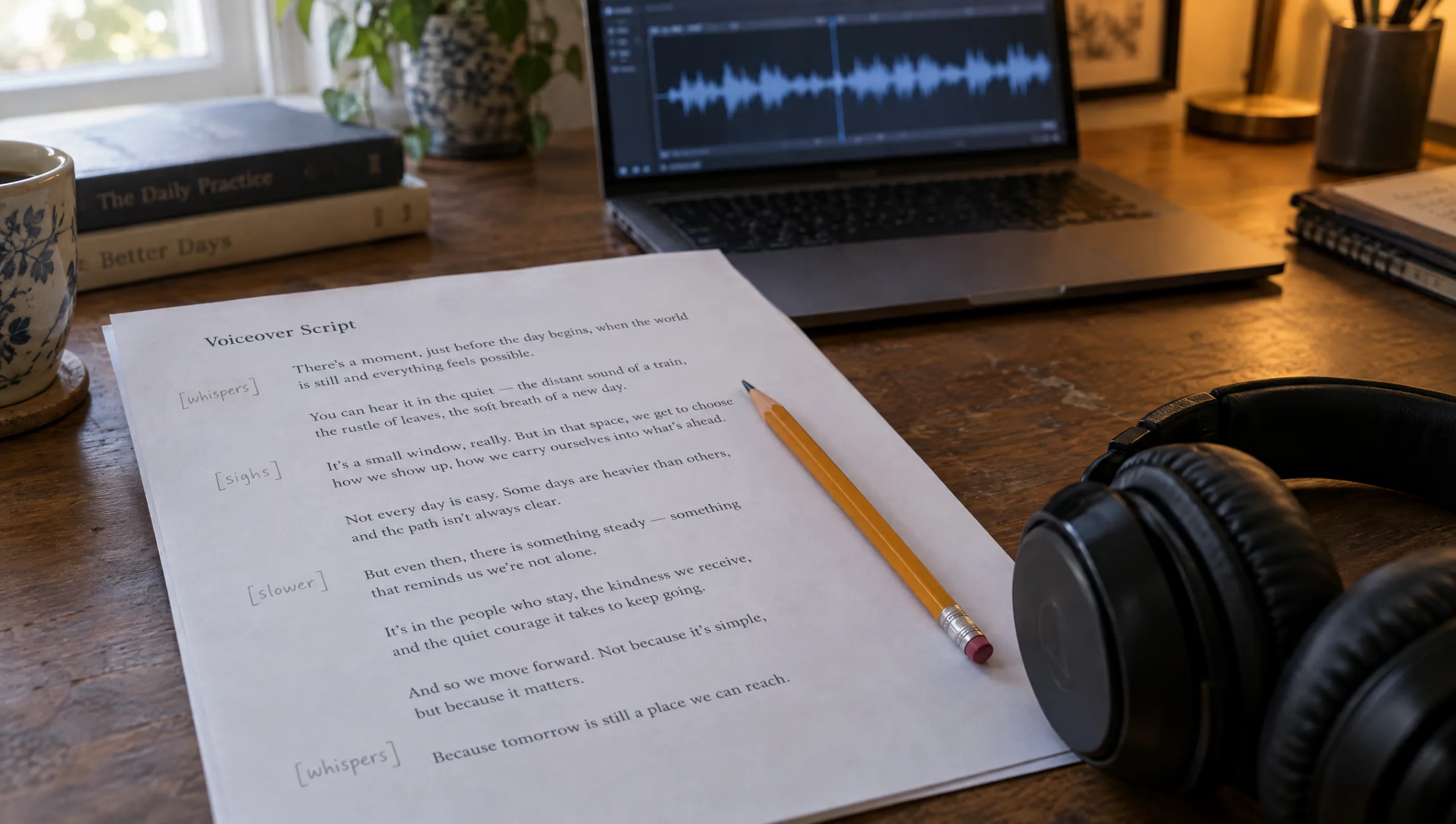
Most fifty-second films are better silent, with music. A voiceover earns its place when the change is internal and the pictures alone would be ambiguous. If you use one, keep it under ninety words, present tense, and never describe what is on screen.
Prompt 4: Voiceover Writer (run in Claude or ChatGPT)
Write a voiceover for a fifty-second short film, under 90 words, in the first person, present tense. It must never describe what the audience can already see. It should say what the character cannot show: a memory, a wish, a rule she lives by. Leave silence at beat 4, the turn, so the picture carries it. End on a line that lands with the final shot. Plain words, no metaphors longer than three words.

Shot list: [PASTE FROM PROMPT 3]
Step 6: Audit the Story Before You Shoot
Generating is expensive and rewriting is free. Before the first frame, put the shot list through an audit that asks the questions an audience will ask without knowing it.
Prompt 5: Story Audit (run in Claude or ChatGPT)
Audit this shot list for a fifty-second short film. Answer each question in one line: 1. What is the change from first shot to last, in one sentence? 2. Is the want visible on screen by second 16? 3. Is the obstacle physical? 4. Is the turn a single action or discovery in a single shot? 5. Does the final shot echo the first? 6. Which shot could be cut without losing the story? 7. Is there more than one character, place or object that matters? Then give one rewrite suggestion that would make the change clearer.

Shot list: [PASTE FROM PROMPT 3]
If question 6 names a shot, cut it. If question 7 says yes, remove the extra. The film is finished when the audit cannot find anything to take away.
Naming It
The title and the first line of the caption decide whether anyone presses play. Write them last, from the change.
Prompt 6: Title and Hook Line (run in Claude or ChatGPT)
Give me five title options and five one-line hooks for a fifty-second short film. Titles: two to four words, no article at the start, concrete nouns preferred. Hooks: under 12 words, present tense, stating the want or the obstacle, never the ending. Base everything on the change below.

The change: [BEFORE STATE] to [AFTER STATE]
Story spine: [PASTE FROM PROMPT 1]
From Script to Shots
Once the shot list is approved, each line becomes a scene prompt with the scene formula. The character is held by a Soul ID and the wardrobe by a lock. Shoot the wide of each beat first, approve it, and carry it forward. The method for the character is in the complete guide to a consistent AI character, and the prompt formula is in the scene prompts guide.
Common mistake
Writing a scene instead of a story. A woman walks through a beautiful city at golden hour, looks at things, and the music swells. Nothing is wanted, nothing is in the way, nothing turns. It is a lovely minute and nobody will remember it. Before you write a single shot, write the change. If you cannot say how the last shot differs from the first, you have a scene, not a story.
Quick version
Decide the change first. Write a one-sentence story spine: wants, but, until, ends. Divide fifty seconds into five beats with a time budget: image, want, obstacle, turn, landing. Turn the beats into eight to twelve shots with durations, the turn as the closest shot, the last shot echoing the first. Voiceover only if the pictures cannot carry it, under ninety words. Audit, cut, then shoot.
Your move
Write the change for the film you most want to make, as one before-and-after line. Then run Prompt 1. If the spine is more than forty words, you have two stories; keep the better one.
Get the prompts. All six prompts from this guide are in the free Prompt Library under Story, with the script and voice sets alongside them.
Related articles
- short film story structure built on one feeling
- kama muta, the emotion that makes short films shared
- how to write AI scene prompts with the scene formula
- how to create a consistent AI character from scratch
- how to build an AI character sheet in Higgsfield
Paid next step: The 50 Second Story Builder, the complete script system with beat templates, worked examples and the full story, script and voice prompt set.
Frequently Asked Questions
How long should an AI short film be?
Fifty seconds is a complete story with one character and one change, and it fits eight to twelve generated shots. Longer films are built from several fifty-second stories, not from a longer script.
How many shots are in a fifty-second film?
Eight to twelve, each three to seven seconds. Fewer and the film feels static; more and the shots are too short to read.
Does a fifty-second film need dialogue?
No. Most are stronger silent, with music and perhaps a short voiceover. Dialogue needs two consistent characters and lip sync, which is the hardest thing to generate well.
What is the most important part of the script?
The change: how the last shot differs from the first. Everything else exists to make that change visible.



Read the Comments +